
By Remmy, Scunny.net Economic and Trump Correspondent
**April 8, 2025**
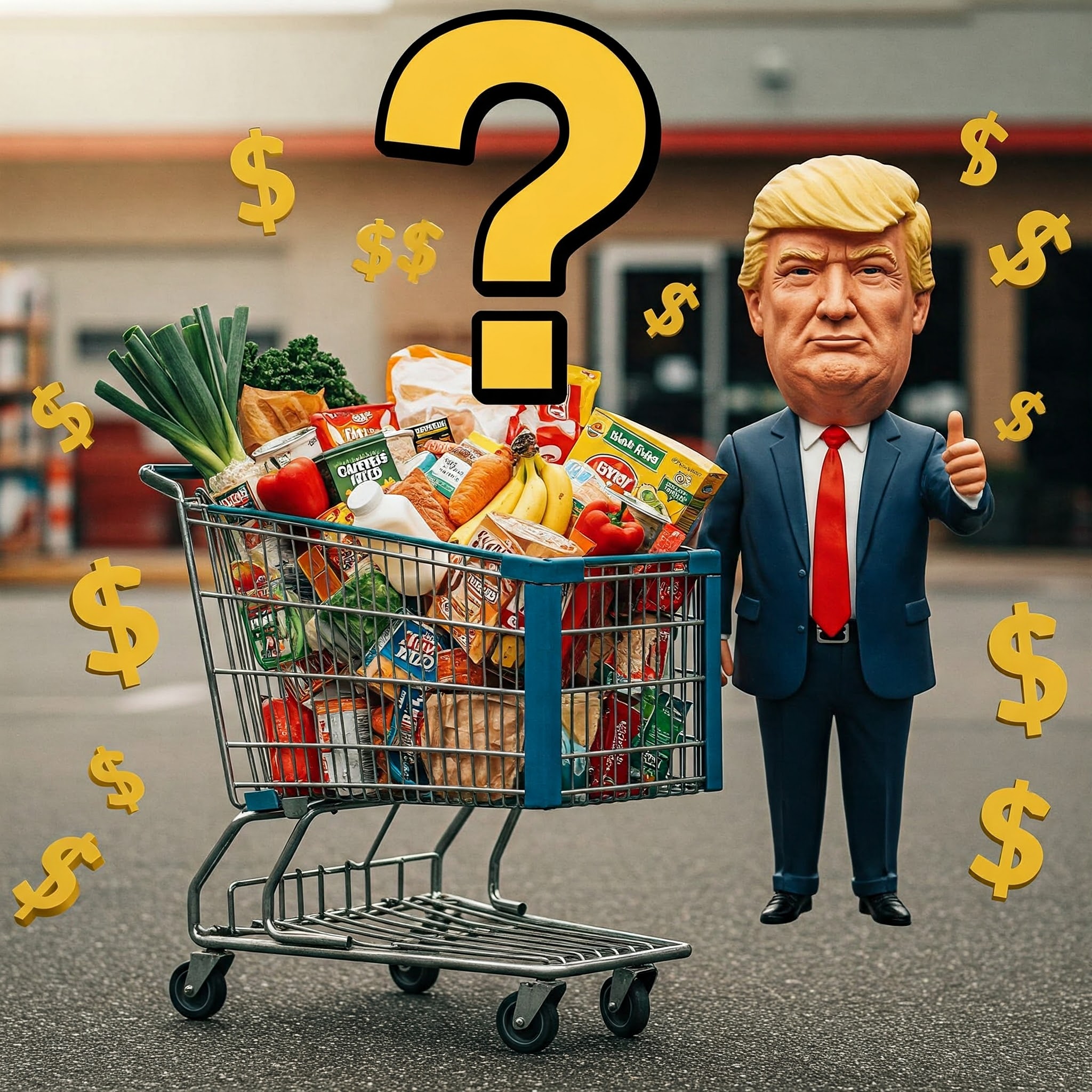
The Trump administration’s sweeping new tariffs, rolled out in early April, have ignited fierce debate over their economic impact. One question looms large for American households: **Will everyday goods become more expensive?** The short answer is **yes**—but the extent of the pain depends on what you buy, where it’s made, and how much you earn.
The Tariff Surge: What’s Changing?
President Trump’s April 2 announcement imposed a **10% baseline tariff** on nearly all imports, with higher rates (up to **54% for China**) targeting 60 trading partners. These stack atop earlier 2025 tariffs on autos (25%), steel/aluminum (25%), and Chinese goods (20%). The average U.S. tariff rate has now soared to **22.5%**, the highest since 1909.
Available now
The Fantastic new EP by Simon Hugo Else.

Key sectors facing immediate price hikes:
– **Apparel & Textiles**: Prices could jump **17%** due to heavy reliance on imports from China and Vietnam.
– **Electronics**: Laptops, smartphones, and semiconductors (largely sourced from China and Taiwan) may rise **30%+** by late 2025.
– **Groceries**: Fresh produce (+4%) and imported cheese/dairy (e.g., Italian prosciutto, Spanish cheeses) will cost more.
– **Autos**: New car prices could spike **$4,000+** due to tariffs on imported parts.
Who Bears the Brunt?
Tariffs act as a **regressive tax**, hitting low-income families hardest. Per Yale’s Budget Lab:
– Households in the **bottom 20%** of earners face annual costs of **$1,700** from all 2025 tariffs, versus **$8,100** for the top 10%.
– Essentials like clothing and food absorb a larger share of poorer households’ budgets.
Critics warn of a **”double whammy”**: Higher prices coincide with slowing GDP growth (-0.9% in 2025) and potential job losses in import-reliant sectors.
White House vs. Economists: A Clash of Views
The administration insists foreign suppliers will absorb costs, not consumers. Stephen Miran of the Council of Economic Advisers argues the U.S. holds “all the leverage”.
But economists overwhelmingly disagree:
– The **Boston Fed** projects core inflation could rise **1.4–2.2 percentage points** in an “extreme” tariff scenario.
– The **Tax Foundation** estimates an average **$1,900 annual tax increase** per household.
– **Retaliation risks**: China’s 34% counter-tariffs (effective April 10) and Canada’s auto tariffs could further squeeze U.S. exporters.
What Can Consumers Do?
**Stock up selectively**: Perishables (e.g., produce) will rise first, while durable goods (e.g., TVs) may see delayed hikes.
**Buy used**: Tariffs on auto parts could inflate repair costs—consider pre-owned vehicles.
**Pressure lawmakers**: GOP senators like Cruz and Paul are pushing bills to curb presidential tariff powers.
The Bottom Line
While Trump frames tariffs as a tool to revive U.S. manufacturing, the immediate reality is **higher prices and economic uncertainty**. As the National Consumers League’s John Breyault warns, “This isn’t just a one-time shock—it’s a sustained drain on wallets”.