
Scunthorpe, 12 April 2025
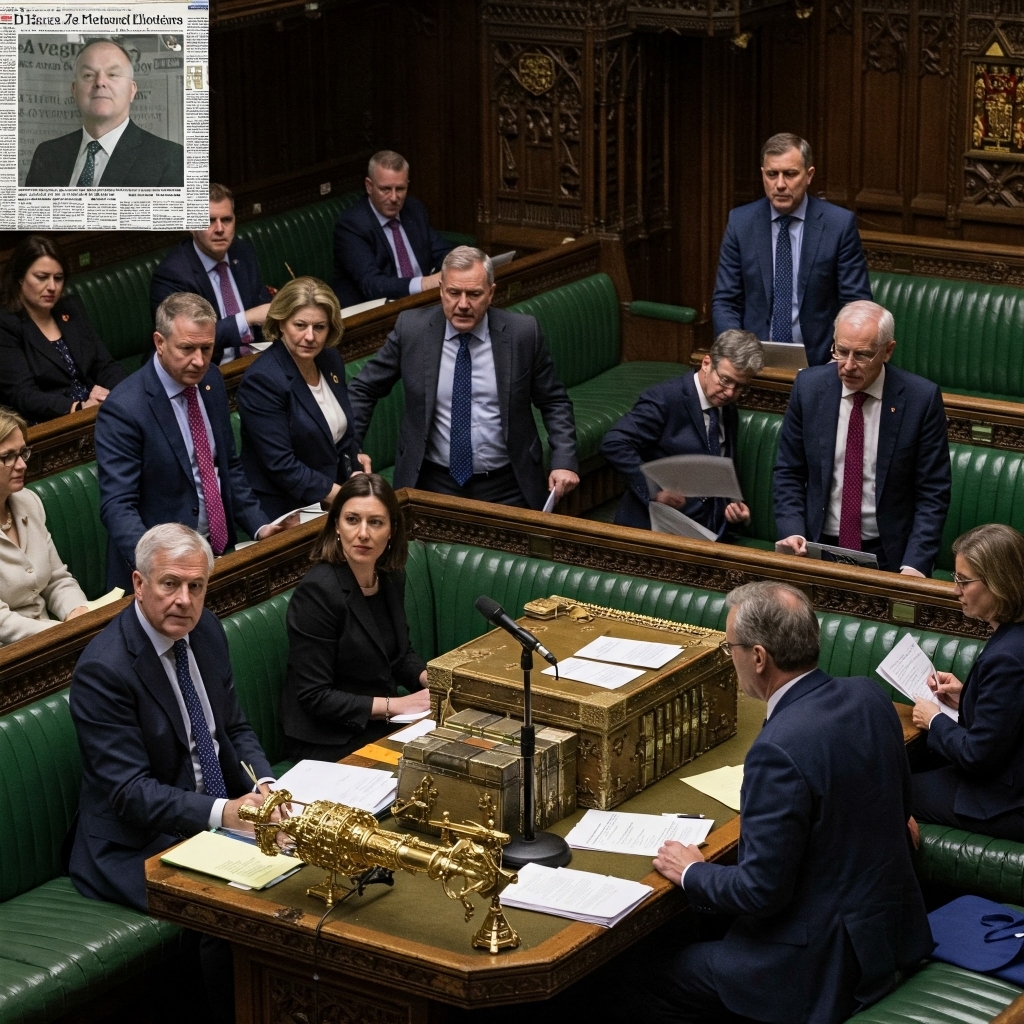
In an unprecedented Saturday sitting of Parliament—the first since the Falklands War in 1982—MPs voted unanimously to pass emergency legislation aimed at saving British Steel’s Scunthorpe plant from imminent closure. The move came after the Chinese-owned Jingye Group rejected a government rescue package and allegedly attempted to starve the plant of critical raw materials, prompting accusations of “bad faith” negotiations .
The Crisis Unfolds
Available now
The Fantastic new EP by Simon Hugo Else.

The Steel Industry (Special Measures) Bill grants the UK government temporary powers to:
Order raw materials (e.g., coking coal, iron ore) to keep Scunthorpe’s blast furnaces operational .
Override Jingye’s decisions, including reinstating workers dismissed for defying closure orders .
Impose criminal sanctions on executives who obstruct the plant’s operations .
Business Secretary Jonathan Reynolds revealed that Jingye had demanded “hundreds of millions of pounds” with no guarantees the funds wouldn’t be transferred to China, calling their counteroffer “excessive” . Workers at the plant reportedly blocked Jingye executives from accessing key areas on Saturday morning, forcing a police intervention though no arrests were made .
Why Scunthorpe Matters
The plant is the UK’s last producer of **virgin steel** (made from raw materials, not recycled scrap), employing **2,700 directly** and thousands more in supply chains. Its closure would:
– Leave Britain as the only G7 nation without primary steelmaking capacity .
– Threaten national security, with former Royal Navy chief Lord West warning steel is vital for military supply chains .
– Devastate local economies across northern Lincolnshire, where many jobs depend on the site .
Political Backlash and Next Steps
Opposition criticism: Conservatives accused Labour of “bungling” negotiations, while Plaid Cymru and the SNP slammed the exclusion of Welsh and Scottish steel sites like Port Talbot and Grangemouth .
Nationalisation likely: Reynolds admitted state ownership is now the “likely option,” though the bill stops short of full nationalisation .
Funding: Costs will be covered by a pre-existing £2.5 billion steel fund, with no new taxpayer burden .
Local Voices
Scunthorpe residents and unions rallied behind the bill, with retired miner Geoff Walton, 78, stating: *”If [the plant] goes, this place is dead”* . Community Union praised the government’s “decisive action,” while Reform UK’s Richard Tice urged ministers to “show some cojones” and nationalise immediately .
What’s Next?
The bill now moves to the House of Lords, with amendments possible. Ministers aim to secure a private buyer but concede the path to long-term viability remains uncertain. For Scunthorpe, the fight to preserve its industrial heart continues.